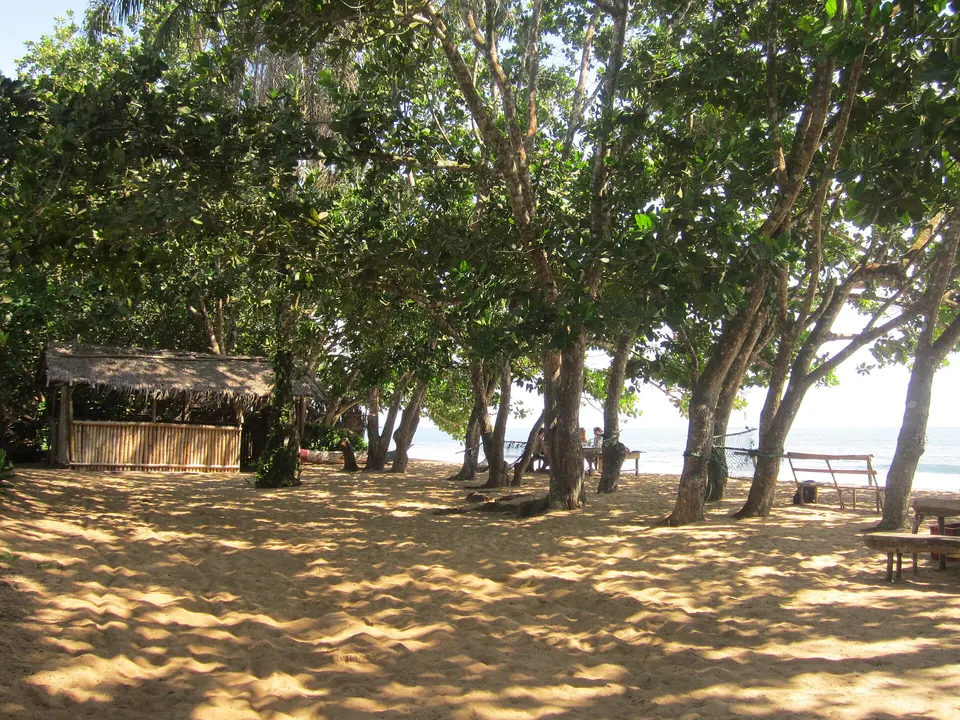
Grand Batanga
Developed beaches south of the city, homeland of the Batanga people and heart of the Mayi festivities.
A seaside city on the Gulf of Guinea, where the Kienké and Lobé rivers meet the ocean: fine sandy beaches, waterfalls on the sea, equatorial forest and a century of history.
The capital of the Ocean division, Kribi lies about 180 km south of Douala. Long known for its beaches, it has become one of the country's economic hubs thanks to its deep-sea port.
Kribi is also the end point of the Chad–Cameroon oil pipeline and has hosted a 216 MW gas-fired power plant since 2013.
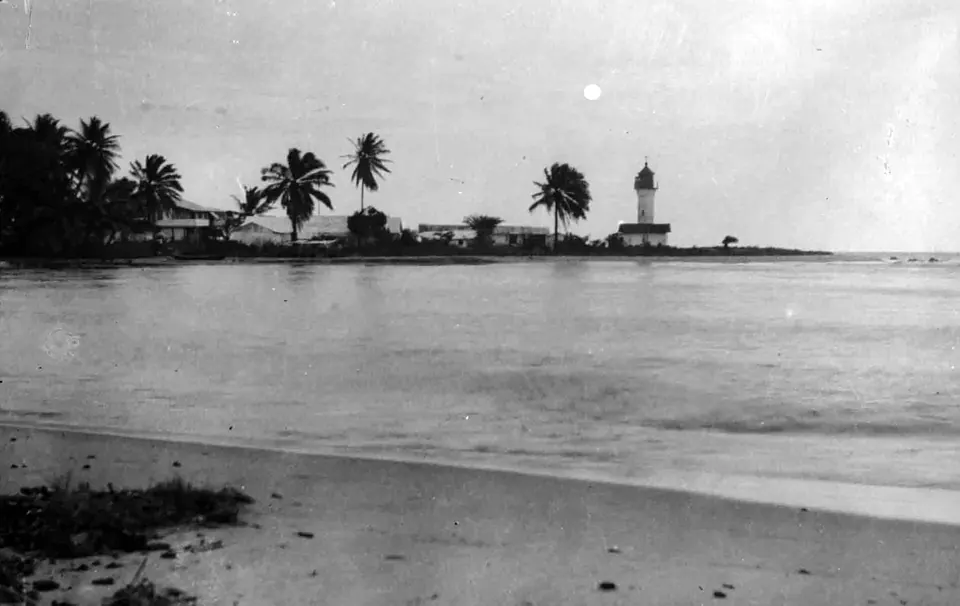
The name Kribi is thought to come from “Kiridi”, a small man, in reference to the first Pygmy inhabitants, or from a Portuguese word. From 1889, German missionaries and traders settled here; the Pallottine father Heinrich Vieter founded the Catholic mission in June 1891.
In 1914, the Batanga people, who had resisted under King Madola, were exiled; they returned on 9 May 1916, a date commemorated every year by the Mayi festival.
The Batanga and Mabi, coastal peoples, live alongside the Bagyeli (Bakola), an indigenous forest people. Kribi also welcomes residents from all over Cameroon, drawn by the port and tourism.
The great Batanga festival of the return from exile: canoe races, traditional wrestling, the Miss Itongo Mahi pageant. Over 200,000 visitors were expected in 2025.
Traditional Batanga festival held every 14 February.
Annual celebration of the culture and traditions of the Mabi people.
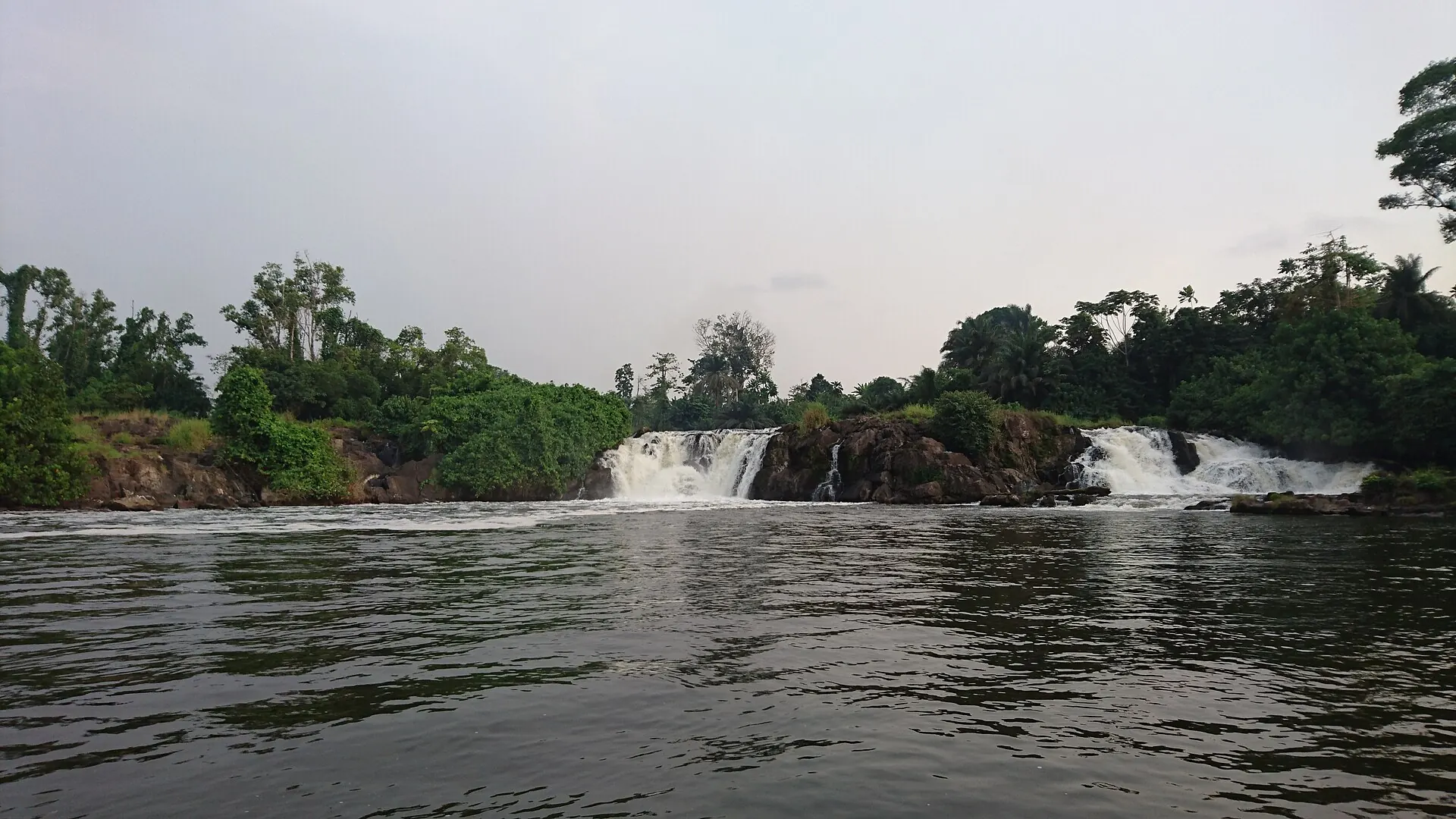
About 7 km south of the city centre, the Lobé river flows straight into the Atlantic Ocean: a rare sight in the world.
About one kilometre wide, the site has a main drop of some twenty metres. It is on Cameroon's tentative list for UNESCO World Heritage. Canoe guides offer trips up the river to the foot of the falls and to Bagyeli camps.
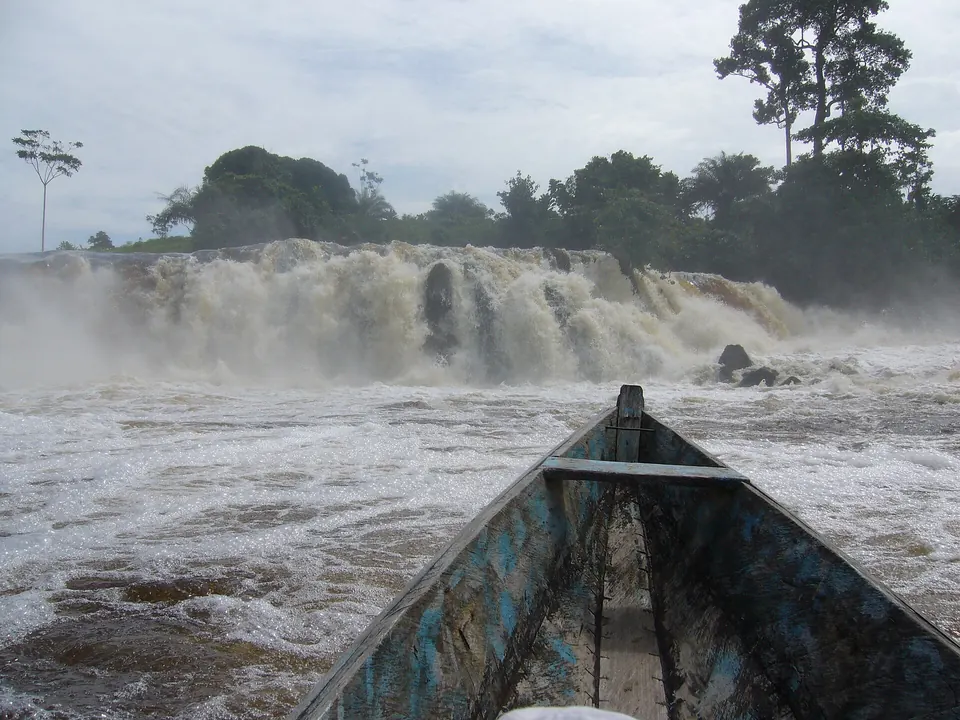
Developed beaches south of the city, homeland of the Batanga people and heart of the Mayi festivities.
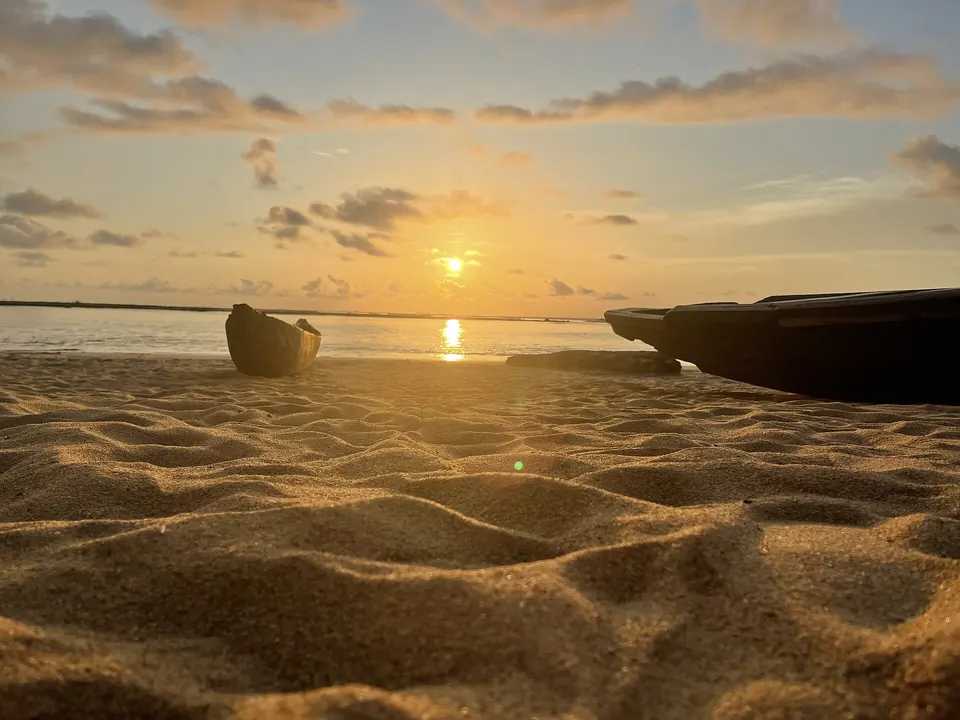
Spectacular sunsets a stone's throw from the falls.
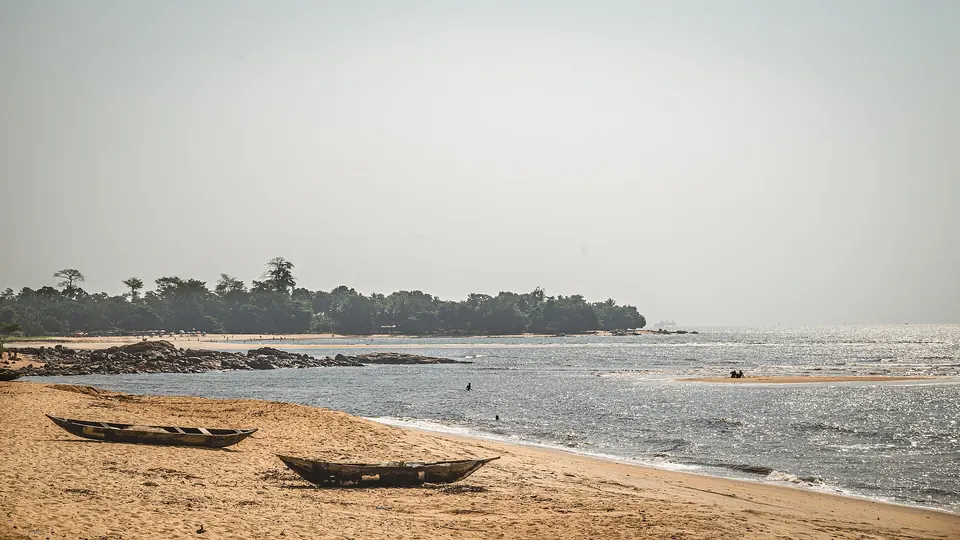
To the north, the fishing village of Londji and its mangrove-lined bay; Ngoyè beach.
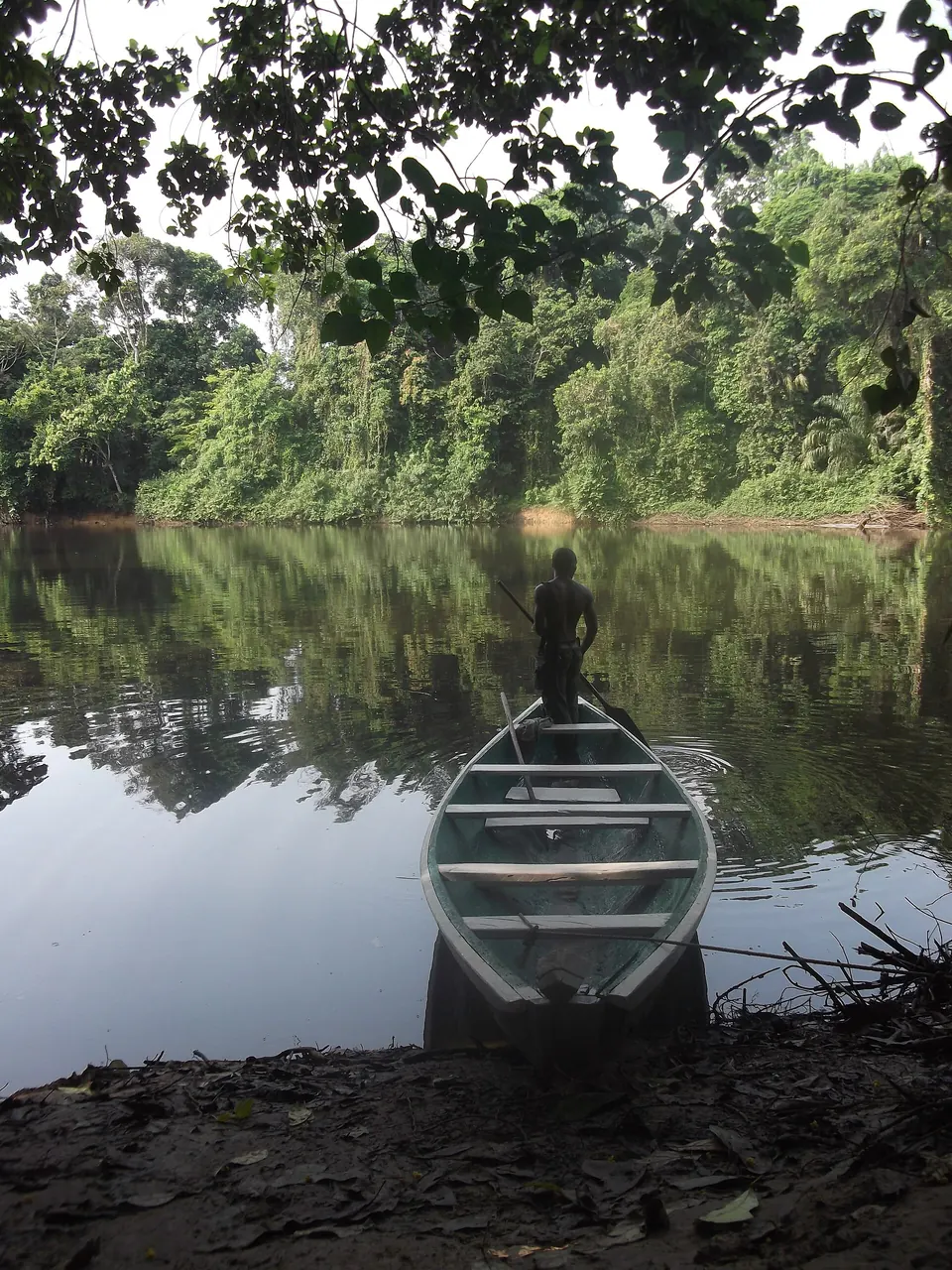
Fishing villages; in Ebodjé, an eco-site monitors sea turtle nesting.
Swimming: the swell can be strong. Follow the posted instructions and swim near busy areas.
Created in 2000, it covers about 264,000 hectares of forest south of Kribi: forest elephants, gorillas, mandrills, giant pangolins and more than 300 bird species.
Five species visit this coast; nesting takes place from March to September. The village is part of the Manyange na Elombo-Campo marine park.
At the small-scale fishing port, canoes land sea bass, threadfin, prawns and lobsters every day. The fish market and seafront grills have made the city famous: grilled fish, sautéed prawns, cassava sticks and plantain.
See upcoming events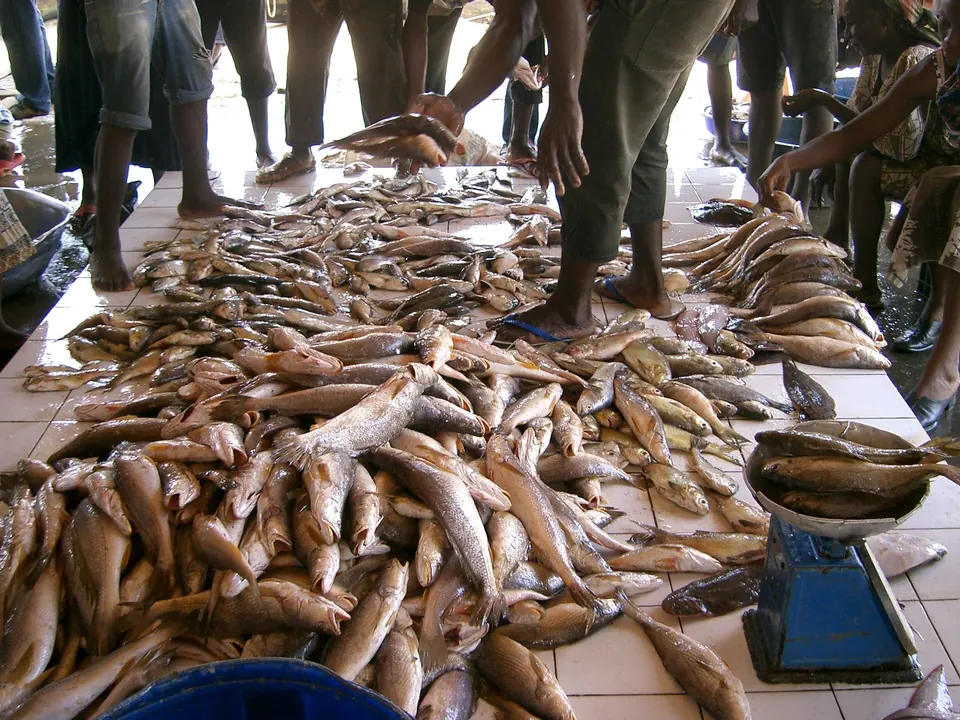
Click a photo to enlarge it (use the arrow keys to browse). Freely licensed photos from Wikimedia Commons.
Videos hosted on YouTube by their authors; they only load when you click.